
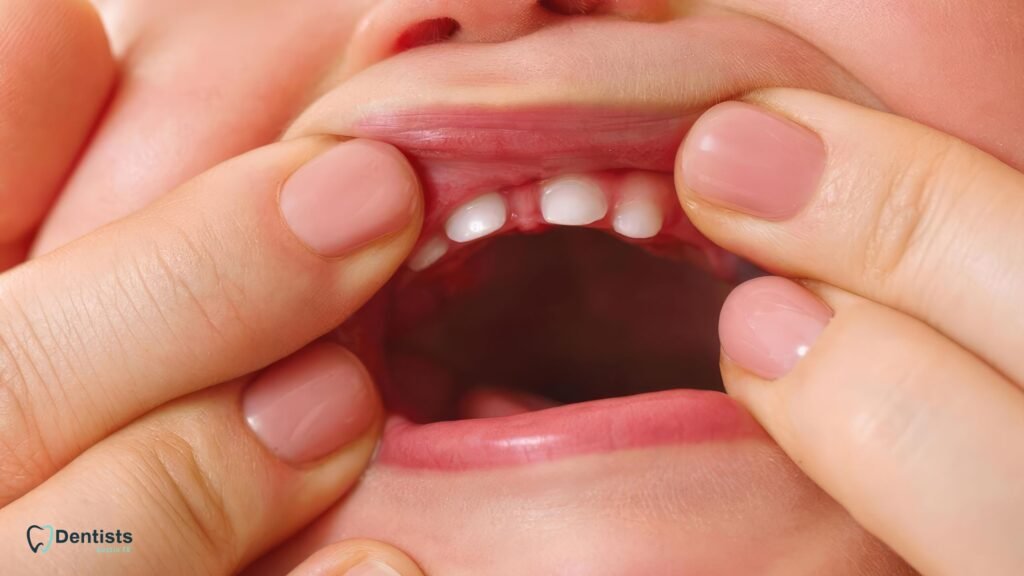
Toddler swollen gums are caused by teething in 90% of cases. The other 10% — poor oral hygiene, gingivitis, tooth abscess, or oral injury — each need a different response. This guide covers all 5 causes with a comparison table, 4 home relief methods with exact instructions, and 6 warning signs that require same-day dental care.
5 Causes of Toddler Swollen Gums
Swollen gums in toddlers have 5 distinct causes. Each has different symptoms, duration, and treatment needs.
1. Teething — The Most Common Cause (Ages 6 Months to 3 Years)
Teething causes gum swelling because an erupting tooth pushes upward through the jawbone, stretching and inflaming the overlying gum tissue. The swelling is localized — only the gum directly above the erupting tooth looks red and puffy.
Teething follows a predictable timeline:
- 6–12 months: Lower central incisors (front bottom 2 teeth) erupt first
- 8–12 months: Upper central incisors follow
- 12–16 months: Lateral incisors appear on both sides
- 16–23 months: First molars — the widest teeth, most painful eruption stage
- 20–30 months: Canines and second molars complete the full set of 20 primary teeth
Teething swelling resolves within 3–7 days per tooth once it breaks through the gum surface. No treatment beyond comfort care is needed.
2. Poor Oral Hygiene — Plaque Irritates Gum Tissue
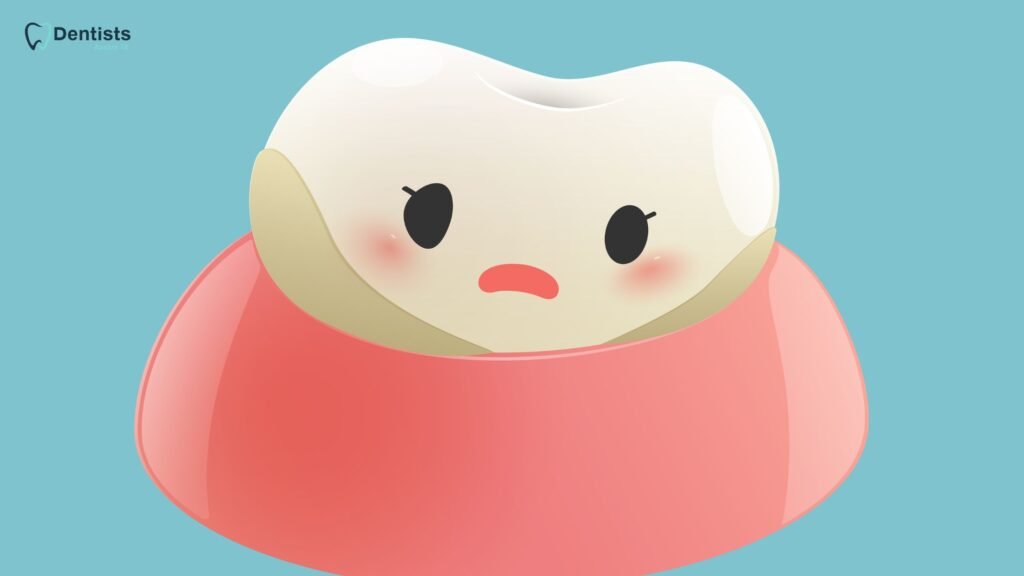
When a toddler’s teeth go unbrushed, plaque builds up at the gumline within 24–48 hours. Bacteria in the plaque release acids that irritate gum tissue, turning it red, tender, and prone to bleeding during brushing.
4 hygiene mistakes that cause gum swelling:
- Skipping brushing even 1–2 days allows plaque to harden into tartar
- Brushing only teeth surfaces and missing the gumline entirely
- Putting a toddler to bed with a bottle of milk or juice — sugar sits on gums overnight
- Using too little fluoride toothpaste — a rice-grain size is required from the first tooth
3. Gingivitis — Early Gum Disease in Toddlers
Gingivitis is inflammation of the gum tissue caused by bacterial infection at the gumline. It is rare in toddlers with consistent oral care but develops rapidly when hygiene is neglected. Signs include red, puffy gums along the full gumline (not just one tooth), bleeding during brushing, and a mild odor from the mouth.
Gingivitis at this stage is fully reversible with professional cleaning and improved daily brushing. Left untreated, it progresses to periodontitis, which damages the bone anchoring the teeth.
4. Tooth Abscess — A Dental Emergency
A tooth abscess is a bacterial infection inside the tooth pulp (nerve) that spreads into the surrounding gum. It causes localized swelling next to 1 specific tooth, often with visible pus, pain when chewing, and a fever above 38.5°C (101.3°F).
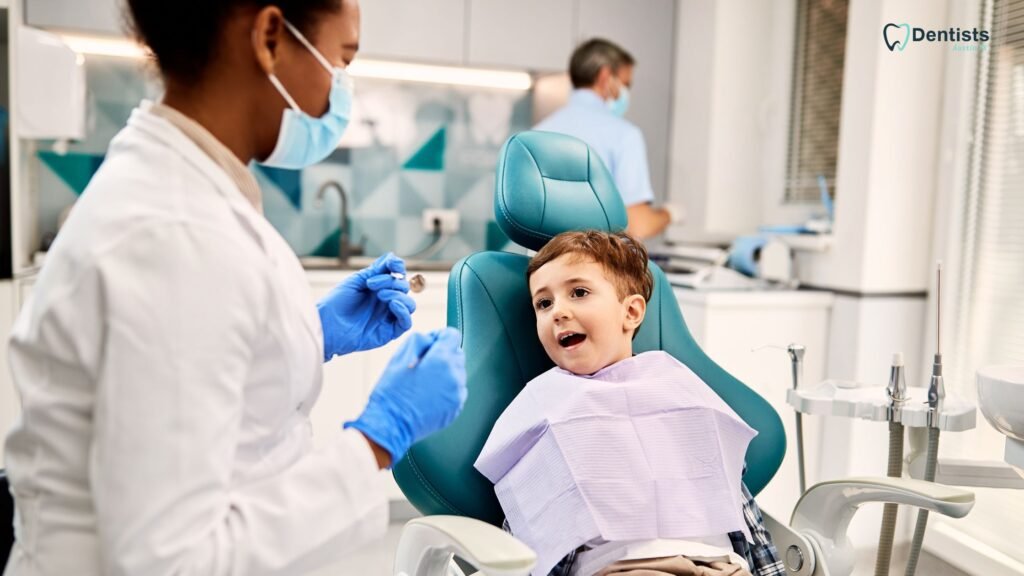
A tooth abscess does not resolve without treatment. It requires professional drainage, antibiotic therapy, and often extraction or pulpotomy (baby root canal). Call a pediatric dentist the same day you suspect an abscess.
5. Oral Injury or Trauma
A fall, a bite on a hard object, or an accidental toothbrush jab causes immediate localized gum swelling at the impact site. The swelling appears suddenly, looks bruised, and is confined to 1 area. Mild trauma heals within 3–5 days. Knocked-out teeth, deep lacerations, or displaced teeth need same-day dental care.
5 Causes: Side-by-Side Comparison
| Cause | Swelling Type | Other Signs | Duration | Action |
| Teething | Localized, 1 spot | Drooling, crankiness | 3–7 days per tooth | Home comfort |
| Poor hygiene | Along gumline | Redness, bleeds easily | Until hygiene improves | Better brushing |
| Gingivitis | Widespread gumline | Bleeding, mild odor | Weeks if untreated | Dentist cleaning |
| Tooth abscess | Around 1 tooth | Fever, pus, severe pain | Does not self-resolve | Emergency dentist |
| Oral injury | At impact site | Bruising, sudden start | 3–5 days | Monitor / dentist |

4 Home Relief Methods for Toddler Gum Pain
These 4 methods reduce gum pain during teething. None of them treat abscess or gingivitis — those need dental care.
Method 1: Cold Pressure — Most Effective for Teething
Apply a chilled (not frozen) teething ring, cold metal spoon, or damp gauze to the swollen gum for 2–3 minutes. Cold constricts blood vessels in the inflamed tissue and temporarily numbs nerve endings. Repeat every 1–2 hours.
Do not use ice directly on gum tissue. Direct ice contact causes frostbite on delicate oral mucosa within 60–90 seconds.
Method 2: Gentle Gum Massage
Press a clean fingertip or soft-bristled infant brush in slow circular motion on the swollen gum for 1–2 minutes. Counter-pressure overrides the pain signal sent to the brain by the inflamed nerve. Use 3–4 times per day.
Method 3: OTC Pain Relief — Ibuprofen or Acetaminophen
Ibuprofen (Motrin, Advil) and acetaminophen (Tylenol) reduce both pain and gum inflammation. Dose by the child’s current weight, not age. Check the package label or confirm with a pediatrician.
- Ibuprofen: Safe from 6 months and older only
- Acetaminophen: Safe from 2 months and older
- Aspirin: Never give to anyone under 18 — risk of Reye’s syndrome
Method 4: Keep Brushing — Do Not Skip the Swollen Area
Brush swollen gums gently twice daily even if they look sore. Skipping allows plaque to accumulate overnight, which worsens inflammation. Use a soft infant brush with a rice-grain-sized amount of fluoride toothpaste.
| 4 Teething Products the FDA Warns Against Benzocaine gels (Orajel, Anbesol) — banned for children under 2 by FDA due to methemoglobinemia risk (blood oxygen drops dangerously)Homeopathic teething tablets — contain belladonna alkaloids, not FDA-approved for infantsAmber teething necklaces and bracelets — strangulation and choking hazard, zero clinical evidence of pain reliefFrozen teething rings or direct ice — causes gum tissue frostbite |
6 Warning Signs That Need a Dentist Today
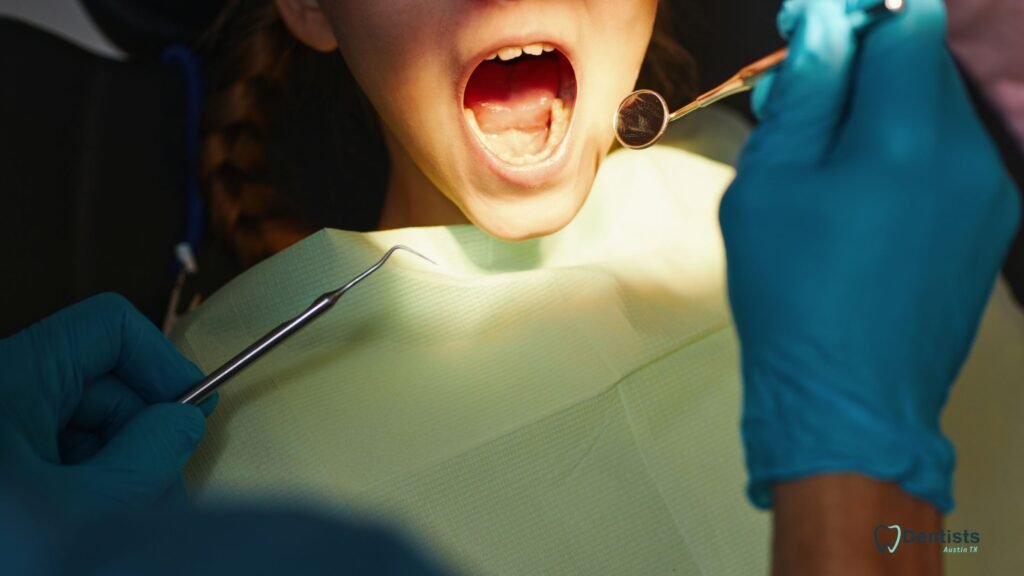
Call a pediatric dentist the same day if your toddler shows any of these 6 signs. These indicate infection or a complication that home care cannot resolve.
- Fever above 38.5°C (101.3°F) with gum swelling — active bacterial infection is spreading beyond the tooth
- Visible pus from the gum — white or yellow discharge confirms a dental abscess
- Red streaks spreading from the swollen area — cellulitis (soft tissue infection) is spreading outward
- Swelling persists beyond 7 days — not teething; requires professional diagnosis
- Child refuses food or liquids for over 12 hours — pain is unmanageable at home
- Facial swelling or difficulty swallowing — dental infection has spread to jaw or neck tissue; this is a medical emergency
Facial swelling and swallowing difficulty require emergency room care, not a dentist appointment. An untreated dental infection spreading to the neck can compress the airway within hours.
Is Toddler Gum Swelling Normal? How to Tell
Gum swelling is normal during teething and abnormal in every other context. Use these 3 checks to identify which one applies:
Check 1: Location
Normal teething swelling appears directly above 1 erupting tooth, matching the teething timeline above. Widespread swelling along the full gumline is not teething — it indicates gingivitis or hygiene problems.
Check 2: Duration
Teething swelling resolves within 3–7 days. Swelling lasting more than 7–10 days without a visible emerging tooth is not normal and needs professional evaluation.
Check 3: Associated Symptoms
Normal teething produces drooling, crankiness, and mild sleep disruption. These 4 symptoms are not normal teething and need dental assessment:
- High fever above 38.5°C (101.3°F)
- Pus or discharge from any gum area
- Facial or jaw swelling
- Child is inconsolable despite OTC pain relief

Preventing Swollen Gums in Toddlers: 5 Daily Habits
These 5 habits prevent plaque-related gum swelling. They do not prevent teething swelling, which is a normal biological process.
- Start brushing at the first tooth. Use a soft infant brush and a rice-grain of fluoride toothpaste. Do not wait until multiple teeth appear.
- Book the first dental visit by age 1. Schedule within 6 months of the first tooth eruption or by the first birthday, whichever comes first. Early visits catch problems before symptoms appear.
- Wipe gums before teeth erupt. Use a damp cloth or gauze after every feeding to remove milk residue and reduce bacterial load.
- Cut juice and sugary foods. Bacteria convert sugar into acid within 20 seconds of contact. Fruit juice given in a sippy cup throughout the day creates constant acid exposure on gum tissue.
- No bottle at bedtime. Milk and juice sitting against gums overnight causes rapid decay and chronic gum inflammation. Water is the only safe bedtime drink.
| Quick Reference: Normal vs. Abnormal Gum Swelling Normal: Swelling above 1 tooth, matches teething timeline, resolves in 3–7 days, no feverNormal: Mild crankiness, increased drooling, slight sleep disruptionAbnormal: Fever above 38.5°C (101.3°F) with swellingAbnormal: Pus or discharge visible from gumAbnormal: Swelling lasting more than 7 daysAbnormal: Facial swelling or difficulty swallowing |
Frequently Asked Questions
Yes, during teething. Swelling above an erupting tooth is a normal biological response. It resolves in 3–7 days per tooth. Swelling that is widespread, persistent beyond 7 days, or comes with fever is not normal.
Yes. Gingivitis develops at any age when plaque accumulates consistently. A 2-year-old who is not brushed twice daily can develop early gingivitis. The gums bleed during brushing, look red along the full gumline, and may have a mild odor. Professional cleaning reverses it at this stage.
3 to 7 days per tooth. First molars (16–23 months) and second molars (25–30 months) cause the most discomfort because of their large surface area pushing through. If swelling lasts longer than 10 days, call your pediatric dentist.
Cold pressure and weight-based acetaminophen or ibuprofen are the 2 safest options. Cold reduces blood flow to inflamed tissue. Acetaminophen (Tylenol) is safe from 2 months; ibuprofen (Motrin, Advil) is safe from 6 months. Benzocaine gels are FDA-banned for children under 2.
Call the same day if swelling comes with fever, pus, facial swelling, or lasts beyond 7 days. These 4 signs indicate infection beyond normal teething. A pediatric dentist can distinguish teething from abscess with a clinical exam and, if needed, an X-ray.