
Natural Tooth Color | Same-Day Treatment | Long-Lasting Results
Dental Fillings Austin TX – Natural-Looking Cavity Repair
Dental fillings restore teeth damaged by decay (cavities). The dentist removes decayed tooth structure and fills the space with restorative material—preventing further damage and restoring function.
What Are Dental Fillings?
Our emergency dentist Austin TX handles all urgent dental situations with same-day treatment.
Why You Need Fillings:
Untreated cavities:
- Grow larger over time
- Reach the tooth nerve (causing severe pain)
- Require root canals ($800-$1,200) and crowns ($1,200-$1,800)
- Can lead to tooth loss
- May cause infections
Early cavity treatment:
- Preserves tooth structure
- Prevents pain
- Costs $150-$300 (10 times less than root canal + crown)
- Completed in 30-60 minutes
- Saves the tooth
Fillings stop decay progression and restore tooth strength.
Types of Dental Fillings
- Composite (Tooth-Colored) Fillings
- Amalgam (Silver) Fillings
- Glass Ionomer Fillings
- Gold Fillings (Inlays/Onlays)
- Ceramic/Porcelain Fillings (Inlays/Onlays)
Most popular filling material. Composite resin matches natural tooth color and bonds directly to tooth structure.
Advantages:
- Natural appearance (invisible in mouth)
- Bonds to tooth (strengthens remaining structure)
- Requires less tooth removal
- Hardens immediately (eat right away)
- No mercury (unlike amalgam)
- Repairs front and back teeth
- Can be polished smooth
Disadvantages:
- Costs slightly more than amalgam ($150-$300 vs. $100-$200)
- May not last as long as amalgam in high-stress areas (5-10 years vs. 10-15)
- Takes longer to place (more technique-sensitive)
Best for:
- Front teeth (cosmetic areas)
- Small to medium cavities
- Patients wanting natural appearance
- Visible teeth when smiling
Composite fillings are our most requested option—patients prefer tooth-colored materials.
Traditional metal fillings made from mixture of metals including silver, mercury, tin, and copper.
Advantages:
- Very durable (10-15 years)
- Less expensive ($100-$200)
- Withstands heavy chewing forces
- Faster to place
- Long track record (used for 150+ years)
Disadvantages:
- Silver color (obvious when smiling or talking)
- Contains mercury (concerns for some patients)
- Requires more tooth removal
- Expands/contracts with temperature (can crack teeth over time)
- No bonding to tooth
- Not environmentally friendly
Best for:
- Back molars (not visible)
- Large fillings needing maximum strength
- Patients on tight budget
- Teeth with heavy chewing forces
We still offer amalgam for patients who prefer traditional materials, but composite is more popular.
Tooth-colored material that releases fluoride, helping prevent future decay.
Advantages:
- Releases fluoride continuously
- Bonds to tooth structure
- Matches tooth color (less precisely than composite)
- Good for root surface cavities
Disadvantages:
- Less durable than composite or amalgam (3-5 years)
- Not as aesthetic as composite
- Lower strength (not for chewing surfaces)
Best for:
- Children’s baby teeth
- Root surface cavities
- Areas below gum line
- Temporary restorations
Custom-made gold restorations fabricated in dental lab.
Advantages:
- Extremely durable (15-30 years)
- Biocompatible (well-tolerated by gums)
- Doesn’t corrode
- Withstands chewing forces excellently
Disadvantages:
- Very expensive ($800-$1,500)
- Requires 2 appointments
- Gold color (not natural)
- Requires more tooth removal
Best for:
- Patients wanting longest-lasting restoration
- Large cavities needing maximum strength
- Patients with gold allergy to other metals
Rarely requested due to cost and appearance.
Custom-made tooth-colored restorations.
Advantages:
- Excellent aesthetics (matches teeth perfectly)
- Very durable (7-10 years)
- Stain-resistant
- Biocompatible
Disadvantages:
- Expensive ($800-$1,500)
- Requires 2 appointments (or CEREC same-day)
- Can be brittle (may fracture under extreme force)
Best for:
- Large cavities in visible areas
- Patients wanting superior aesthetics
- Areas with moderate chewing forces
We offer CEREC same-day ceramic restorations—completed in one visit.
The Dental Filling Procedure
Step 1: Anesthesia (5 minutes)
Local anesthetic numbs the area completely. You'll feel:
- Brief pinch from needle (2-3 seconds)
- Slight pressure during injection
- Tingling as area becomes numb
We use:
- Topical numbing gel first (reduces needle sensation)
- Slow injection technique (more comfortable)
- Adequate time for full numbing
Complete numbness ensures painless procedure.
Step 2: Decay Removal (10-20 minutes)
All decayed tooth structure must be removed to prevent cavity from continuing underneath the filling.
Tools used:
- High-speed dental drill (removes bulk of decay)
- Slow-speed drill (gentle finishing)
- Hand instruments (final cleaning)
You'll experience:
- Vibration and pressure (no pain)
- Water spray (keeps tooth cool)
- Suction (removes water and debris)
We remove only decayed structure—healthy tooth is preserved
Step 3: Tooth Preparation (5 minutes)
Tooth surface is prepared for filling material.
For composite fillings:
- Tooth is etched with mild acid (roughens surface for bonding)
- Bonding agent applied
- Light-cured (hardened with UV light)
For amalgam fillings:
- Undercuts created for mechanical retention
- No bonding agent needed
Proper preparation ensures long-lasting filling.
Step 4: Filling Placement (10-15 minutes)
Filling material is placed and shaped.
Composite fillings:
- Applied in layers (2-3 layers)
- Each layer light-cured for 20 seconds
- Shaped to match original tooth anatomy
- Polished smooth
Amalgam fillings:
- Placed in single mass
- Condensed tightly into cavity
- Excess trimmed away
- Shaped to tooth contours
- Hardens over 24 hours
The filling restores tooth's original shape and function.
Step 5: Bite Adjustment (5 minutes)
Your bite is checked and adjusted for comfort.
Process:
- You bite on special paper (marks high spots)
- High spots are trimmed down
- Repeated until bite feels normal
- No interference when chewing
Proper bite prevents:
- Tooth sensitivity
- Jaw pain
- Premature filling wear
- Cracked teeth
Step 6: Final Polishing (5 minutes)
Filling is polished smooth.
Benefits:
- Smooth surface resists plaque accumulation
- Comfortable to tongue
- Natural feel
- Reduced staining (composite)
Total procedure time: 30-60 minutes depending on cavity size.
When You Need a Filling
Signs of Cavities:
Tooth sensitivity:
- Pain with sweet foods
- Sensitivity to hot or cold
- Discomfort when chewing
Visible changes:
- Dark spots on teeth
- Holes or pits in enamel
- Rough edges when tongue touches tooth
Pain:
- Toothache (constant or intermittent)
- Pain when biting down
- Sudden sharp pain
Food trapping:
- Food consistently stuck in same spot
- Difficulty flossing in certain areas
X-ray findings:
- Dark areas between teeth (invisible to naked eye)
- Decay under old fillings
- Recurrent decay
Don't wait for pain—cavities need treatment as soon as detected.
Cavity Risk Factors:
Diet:
- Frequent snacking (especially sugary foods)
- Soda consumption (even diet soda)
- Sports drinks and energy drinks
- Sticky candies
- Acidic foods and beverages
Oral hygiene:
- Infrequent brushing (less than twice daily)
- No flossing
- No fluoride exposure
Dry mouth:
- Medications reducing saliva
- Medical conditions
- Mouth breathing
- Dehydration
Genetics:
- Weak enamel (hereditary)
- Deep tooth grooves
- Crowded teeth (hard to clean)
Medical conditions:
- Diabetes
- Eating disorders
- Acid reflux
- Frequent vomiting
Previous cavities:
- History of decay increases future risk
- Old fillings eventually need replacement
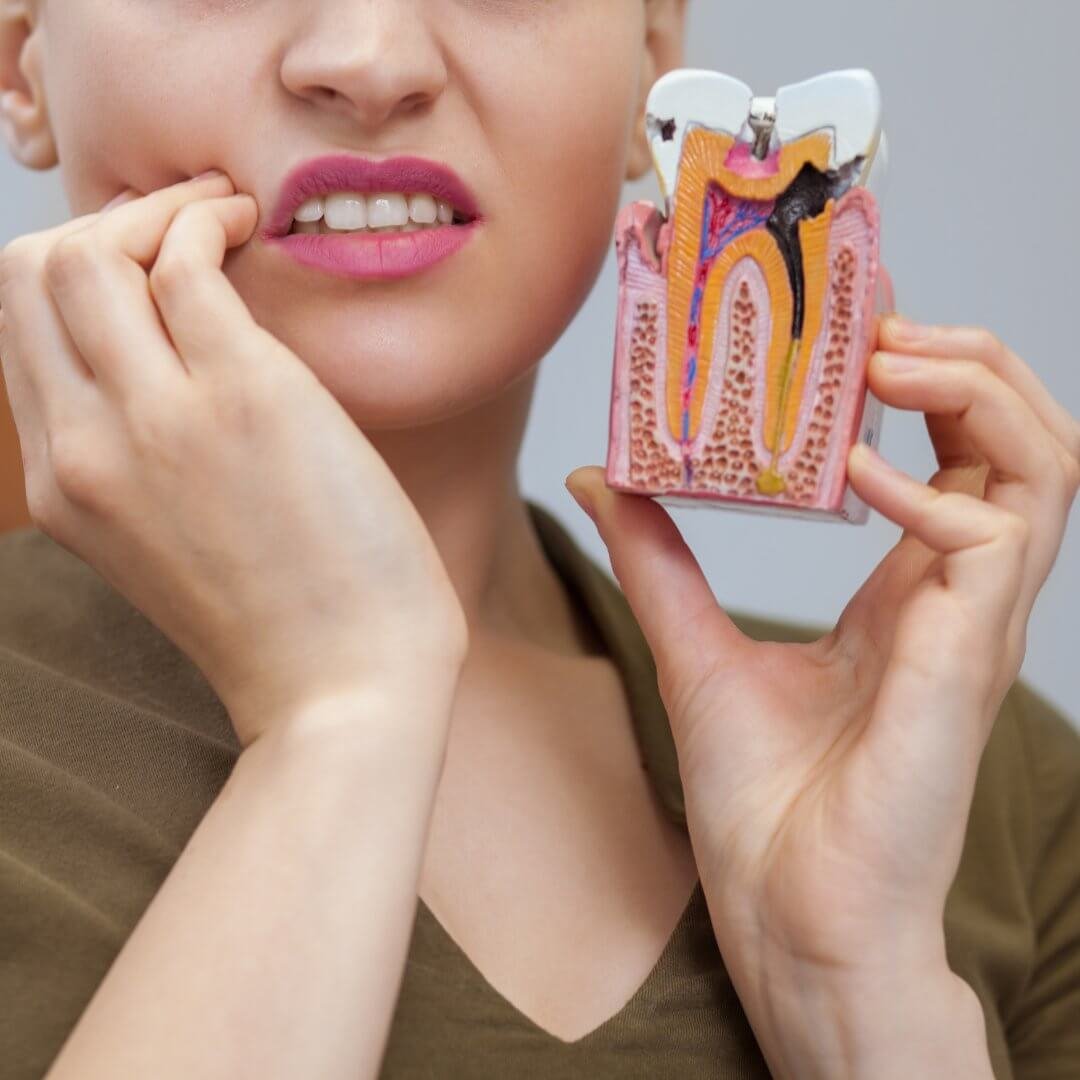
How Long Do Fillings Last?
Filling Longevity:
Composite fillings:
- Small fillings: 7-10 years
- Medium fillings: 5-7 years
- Large fillings: 5 years (consider crown instead)
Amalgam fillings:
- Small fillings: 10-15 years
- Medium fillings: 10-12 years
- Large fillings: 8-10 years
Glass ionomer:
- 3-5 years
Gold inlays/onlays:
- 15-30 years
Ceramic inlays/onlays:
- 7-10 years
Factors Affecting Longevity:
Filling size:
- Smaller fillings last longer
- Large fillings weaken teeth
- Very large fillings should be crowns
Location:
- Front teeth (less stress): Longer lifespan
- Back molars (heavy chewing): Shorter lifespan
- Between teeth: More prone to recurrent decay
Oral hygiene:
- Good brushing/flossing: Fillings last longer
- Poor hygiene: Decay around fillings
- Regular dental visits: Problems caught early
Diet:
- Low sugar: Less recurrent decay
- Acidic foods: Enamel erosion around filling
- Hard foods: Increased wear
Habits:
- Teeth grinding: Premature wear
- Chewing ice or hard objects: Cracks and breaks
- Nail biting: Filling damage
Dental visits:
- Regular checkups catch failing fillings early
- Small repairs prevent complete replacement
- Monitoring extends filling lifespan
Filling Replacement: When Needed
Signs Your Filling Needs Replacement:
Visible damage:
- Crack in filling
- Chip or break
- Worn down or flat
- Dark line around edges
Sensitivity:
- Pain when chewing
- Temperature sensitivity
- Sweet sensitivity
- Spontaneous pain
Changes you feel:
- Rough edges
- Sharp points
- Different texture
- Food trapping
X-ray findings:
- Decay under or around filling
- Gap between filling and tooth
- Defective margin
Old age:
- Filling older than expected lifespan
- Previous repairs or adjustments
Don’t ignore failing fillings—decay underneath requires larger fillings or crowns.
Dental Filling Aftercare
Immediately After Filling:
Composite fillings:
- Eat immediately (fully hardened)
- Avoid staining foods for 24 hours (coffee, tea, red wine)
- Chew carefully until numbness wears off
Amalgam fillings:
- Wait 24 hours before heavy chewing (hardening time)
- Soft foods for first day
- Avoid very hot or cold foods initially
Both types:
- Numbness lasts 2-4 hours
- Don’t bite tongue or cheek while numb
- Take ibuprofen if tenderness develops
Long-Term Filling Care:
Daily hygiene:
- Brush twice daily (fluoride toothpaste)
- Floss once daily
- Use fluoride mouthwash
Diet:
- Limit sugary snacks
- Reduce acidic beverages
- Drink water throughout day
- Chew sugar-free gum (stimulates saliva)
Protect fillings:
- Don’t chew ice
- Avoid hard candies
- Don’t use teeth as tools
- Wear night guard if you grind teeth
Regular checkups:
- Dental exams every 6 months
- Professional cleanings
- X-rays to check for decay
- Early detection of problems
Proper care extends filling lifespan significantly.
Dental Filling Cost in Austin TX
Filling Pricing:
Composite (tooth-colored) fillings:
- Small (1 surface): $150-$200
- Medium (2 surfaces): $200-$250
- Large (3+ surfaces): $250-$300
Amalgam (silver) fillings:
- Small: $100-$150
- Medium: $150-$200
- Large: $200-$250
Glass ionomer fillings:
- $150-$250
Ceramic inlays/onlays:
- $800-$1,500
Gold inlays/onlays:
- $800-$1,500
Insurance Coverage:
Most dental insurance covers fillings at 70-80%:
- Composite on front teeth: 70-80%
- Amalgam on back teeth: 70-80%
- Composite on back teeth: 70-80% (some plans downgrade to amalgam price)
Example:
- Filling cost: $200
- Insurance pays: $140-$160 (70-80%)
- You pay: $40-$60
We verify insurance benefits and provide written estimates before treatment.
Payment Options:
No insurance? We offer:
- CareCredit 0% financing
- In-house payment plans
- Cash discounts
- HSA/FSA accepted
Dental Filling – FAQs
No, fillings are painless with local anesthesia. We numb the area completely before starting. You'll feel pressure and vibration but no pain. After anesthesia wears off (2-4 hours), mild sensitivity is normal for 24-48 hours. Take ibuprofen if needed.
Most fillings take 30-60 minutes depending on size and location. Small fillings take 30-45 minutes. Large or multiple fillings may take 60-90 minutes. We schedule adequate time for comfortable, thorough treatment.
Composite fillings: Eat immediately (fully hardened). Amalgam fillings: Wait 24 hours before heavy chewing to allow hardening. Avoid very hard, sticky, or chewy foods for first day. Wait until numbness wears off to prevent accidentally biting your tongue or cheek.
Composite (tooth-colored) is better for most patients because it:
- Looks natural (matches tooth color)
- Bonds to tooth (strengthens it)
- Requires less tooth removal
- Contains no mercury
Amalgam may be better for:
- Large back tooth fillings (maximum strength)
- Patients on tight budget
- Areas difficult to keep dry during procedure
We recommend composite for 90% of fillings.
Mild sensitivity for 24-48 hours is normal due to:
- Tooth trauma from drilling
- Nerve irritation from deep cavity
- Bite adjustment needed
Sensitivity should decrease daily. Call us if:
- Pain increases instead of decreasing
- Severe pain develops
- Pain lasts over 1 week
- Pain when biting down
Persistent pain may indicate:
- Bite too high (needs adjustment)
- Deeper cavity than expected (may need root canal)
- Cracked tooth
We can do multiple fillings in one appointment depending on:
- Location (same quadrant preferred)
- Your comfort level
- Time available
- Complexity
Most patients tolerate:
- 2-3 fillings easily
- 4-6 fillings if in same area
- Full mouth reconstruction (multiple visits)
Benefits of multiple fillings:
- Fewer appointments
- One numbing session
- Less time off work
- Finish treatment faster
No, fillings repair existing cavities but don't prevent new ones. You can still get:
- Decay on other teeth
- Decay on other surfaces of filled tooth
- Decay around or under old fillings (recurrent decay)
Prevent future cavities:
- Brush twice daily
- Floss once daily
- Limit sugar
- Regular dental visits
- Fluoride use
Only your dentist can diagnose cavities. Many cavities cause no symptoms initially. We detect cavities through:
- Visual examination
- X-rays (show decay between teeth)
- Probing (checks soft spots)
- Laser cavity detection
Get exams every 6 months to catch cavities early when fillings are small and inexpensive.
Yes, composite fillings work excellently on back teeth. Modern composite materials are strong enough for chewing forces. Some insurance plans "downgrade" back tooth composite to amalgam price, but we still offer composite—patients pay the difference.
Untreated cavities always worsen:
- Decay spreads deeper into tooth
- Pain develops when reaching nerve
- Infection forms (abscess)
- Tooth requires root canal + crown ($2,000-$3,000)
- Tooth may be lost completely
Small cavity: $150-$300 filling Ignored cavity: $2,000-$3,000 root canal + crown
Early treatment saves thousands.
Schedule Your Dental Filling Today
Don't wait for cavities to cause pain. Small fillings preserve tooth structure and prevent expensive root canals.