
Gentle, Thorough Cleaning | Insurance Covered 100% | Convenient Appointments
Dental Cleanings Austin TX – Keep Your Teeth Healthy
Professional teeth cleaning every 6 months prevents cavities, gum disease, and tooth loss. Our dental hygienists remove plaque and tartar that brushing and flossing can't reach—keeping your smile healthy and bright.
Prevention costs less than treatment. Regular cleanings save thousands in future dental work. Call +1 (737) 332-4098 to schedule your dental cleaning in Austin TX today.
What Happens During a Dental Cleaning
Professional dental cleaning takes 45-60 minutes and includes these steps:
Step 1: Oral Examination (5 minutes)
Your dental hygienist examines your mouth before cleaning begins. This quick check identifies:
- Inflamed or bleeding gums
- Visible cavities
- Loose teeth or fillings
- Areas requiring extra attention
- Any concerns to discuss with dentist
Hygienists don’t diagnose but flag potential problems for the dentist to evaluate.
Step 2: Plaque and Tartar Removal (20-30 minutes)
Scaling removes hardened plaque (tartar) from teeth. Even excellent brushing can’t remove tartar—only professional instruments work.
Tools used:
- Ultrasonic scaler – High-frequency vibrations break up large tartar deposits, water spray rinses debris away
- Hand scalers – Metal instruments scrape remaining tartar from tooth surfaces and below gum line
- Periodontal instruments – Reach deeper into gum pockets if needed
Where tartar accumulates:
- Behind lower front teeth (near saliva glands)
- Outside upper back teeth (near cheek saliva glands)
- Between teeth
- Along gum line
- Beneath gums (especially with gum disease)
The scraping sound and sensation are normal. More tartar buildup requires more scraping. Regular cleanings mean less tartar and shorter appointments.
Step 3: Teeth Polishing (10 minutes)
Polishing removes surface stains and smooths teeth. Smooth surfaces resist plaque accumulation better than rough surfaces.
Polishing process:
- Prophy paste applied – Gritty toothpaste-like substance contains fine abrasives
- Rubber cup attachment – Spins on slow-speed handpiece, polishes each tooth surface
- Flavored options – Choose from mint, cherry, orange, or other flavors
- Stain removal – Coffee, tea, red wine, and tobacco stains lighten significantly
Polishing makes teeth feel incredibly smooth and look brighter.
Step 4: Flossing (5 minutes)
Professional flossing reaches between every tooth. Your hygienist:
- Removes any remaining plaque or paste
- Checks for bleeding between teeth
- Identifies tight contacts that trap food
- Demonstrates proper flossing technique
Benefits:
- Removes debris from tight spaces
- Detects cavities between teeth (rough edges catch floss)
- Assesses gum health
- Provides flossing education
Step 5: Fluoride Treatment (5 minutes)
Fluoride strengthens tooth enamel and reverses early decay. This quick treatment:
- Applies concentrated fluoride gel or varnish
- Sits on teeth for 1-4 minutes
- Hardens enamel against acid attacks
- Reduces cavity risk by 25-40%
After fluoride:
- Don’t eat or drink for 30 minutes
- Avoid brushing for 4-6 hours (varnish)
- Allows maximum fluoride absorption
Fluoride is especially important for:
- Children (developing teeth)
- Adults with dry mouth
- Patients with gum recession
- High cavity risk individuals
Step 6: Oral Hygiene Education (5 minutes)
Your hygienist provides personalized advice:
- Demonstrates proper brushing technique
- Shows correct flossing method
- Recommends specific products (soft brush, fluoride toothpaste, floss type)
- Discusses dietary impacts on teeth
- Answers questions about home care
Education empowers you to maintain clean teeth between appointments.
Benefits of Regular Dental Cleanings
- Prevents Cavities
- Stops Gum Disease
- Brightens Your Smile
- Freshens Breath
- Detects Problems Early
- Protects Overall Health
Plaque produces acid that erodes tooth enamel. Professional cleaning removes plaque before it causes cavities.
The cavity prevention timeline:
- Today: Plaque on teeth
- 24 hours: Plaque hardens into tartar (can’t be brushed away)
- Weeks: Acid from bacteria begins demineralizing enamel
- Months: Cavity forms in weakened enamel
- Years: Cavity reaches nerve requiring root canal
Regular cleanings interrupt this process at step 2, preventing expensive fillings, crowns, and root canals.
Cost comparison:
- Cleaning every 6 months: $200-$400/year
- One cavity filling: $150-$300
- Root canal + crown: $2,000-$3,000
Gum disease affects 50% of adults over 30 and is the leading cause of tooth loss. Professional cleaning prevents and treats gingivitis (early gum disease).
How cleanings prevent gum disease:
- Remove tartar harboring bacteria
- Reduce gum inflammation
- Eliminate pockets where bacteria hide
- Allow gums to heal and tighten
Untreated gum disease leads to:
- Receding gums
- Bone loss
- Loose teeth
- Tooth loss
- Expensive implants or dentures
6-month cleanings keep gums healthy for life.
Professional polishing removes surface stains from:
- Coffee and tea
- Red wine
- Berries
- Tobacco products
- Dark sodas
- Tomato sauce
Teeth appear 1-2 shades whiter after cleaning. While not as dramatic as professional whitening, regular cleanings maintain brightness.
Want whiter teeth? Ask about professional teeth whitening after your cleaning.
Explore teeth whitening options →
90% of bad breath originates in the mouth. Bacteria on teeth, tongue, and gums produce sulfur compounds causing odor.
Cleanings eliminate bad breath by:
- Removing bacteria colonies
- Cleaning below gum line
- Polishing tongue (optional)
- Reducing gum inflammation
Fresh breath lasts weeks after professional cleaning with proper home care.
Hygienists and dentists examine your mouth thoroughly during cleaning appointments.
Early detection catches:
- Small cavities (easy $150 fillings)
- Cracked teeth (before they split)
- Failing old fillings (before decay spreads)
- Oral cancer (90% cure rate when caught early)
- Gum disease (reversible in early stages)
- Bite problems (before TMJ pain develops)
Treating problems early:
- Costs 10-20 times less
- Requires simpler procedures
- Causes less discomfort
- Preserves more natural tooth structure
Oral bacteria affect your entire body. Regular cleanings reduce bacteria that cause:
Heart disease:
- Gum disease bacteria enter bloodstream through bleeding gums
- Bacteria attach to damaged heart tissue
- Increase risk of heart attack and stroke by 2-3 times
Diabetes complications:
- Gum infections worsen blood sugar control
- Poor blood sugar increases gum disease severity
- Cleanings help both conditions
Pregnancy complications:
- Gum disease linked to premature birth
- Low birth weight babies more common
- Pregnancy gingivitis needs professional treatment
Respiratory infections:
- Oral bacteria can be inhaled into lungs
- Increases pneumonia risk in elderly
Alzheimer’s disease:
- Gum disease bacteria found in brains of Alzheimer’s patients
- May contribute to disease progression
Your mouth affects your body. Keeping it clean protects overall health.
Types of Dental Cleanings
Prophylaxis (Routine Cleaning)
Standard cleaning for healthy mouths with no gum disease. Removes plaque and tartar above the gum line.
Who needs prophylaxis:
- Patients with healthy gums
- No gum pockets over 3mm
- Minimal tartar buildup
- Regular dental visitors
Frequency: Every 6 months
Duration: 45-60 minutes
Cost: $100-$200 (typically covered 100% by insurance)
Prophylaxis prevents problems before they start.
Gross Debridement
Heavy tartar removal when patients haven't had cleaning in many years. Preliminary cleaning before comprehensive exam.
Who needs gross debridement:
- No dental cleaning in 3+ years
- Extensive tartar buildup
- Tartar obscuring exam
- Gum bleeding and inflammation
Process:
- Remove large, visible tartar deposits
- Allow gums to heal (1-2 weeks)
- Return for thorough exam and deep cleaning
This is not a complete cleaning—it's preparation for proper treatment.
Cost: $150-$250
Don't let fear of cost prevent this necessary first step toward oral health.
Scaling and Root Planing (Deep Cleaning)
Deep cleaning treats active gum disease. This is not a routine cleaning—it's periodontal therapy.
Who needs deep cleaning:
- Active gum disease (periodontitis)
- Gum pockets 5mm or deeper
- Tartar below gum line
- Bone loss visible on x-rays
- Bleeding and inflamed gums
Deep cleaning process:
- Local anesthesia numbs gums
- Tartar removed from deep below gum line
- Root surfaces smoothed (planing)
- Allows gums to reattach to teeth
- Usually done in quadrants over 2-4 appointments
Frequency: One-time treatment, then switch to periodontal maintenance every 3-4 months
Duration: 60-90 minutes per quadrant
Cost: $200-$300 per quadrant ($800-$1,200 full mouth)
Deep cleaning saves teeth that would otherwise be lost to advanced gum disease.
Learn more about gum disease treatment →
Periodontal Maintenance
Specialized cleaning for patients with history of gum disease. More thorough than routine cleaning, focuses on preventing disease recurrence.
Who needs periodontal maintenance:
- Previous gum disease treatment
- History of bone loss
- Gum pockets 4-5mm
- Genetic predisposition to gum disease
What's included:
- Tartar removal above and below gums
- Gum pocket measurement
- Localized antibiotic placement (if needed)
- More time spent on problem areas
Frequency: Every 3-4 months
Duration: 60-75 minutes
Cost: $150-$250 (insurance usually covers as routine cleaning)
How Often Should You Get Dental Cleanings?
Every 6 Months (Most People)
Standard recommendation for healthy patients:
- No gum disease
- Good oral hygiene
- Low to moderate cavity risk
- No medical conditions affecting oral health
Why 6 months?
- Tartar accumulates over this period
- Early cavities don't progress to pain
- Gum disease caught in reversible stage
- Matches insurance coverage (2/year)
Every 3-4 Months (Higher Risk)
More frequent cleanings needed if you have:
Gum disease:
- History of periodontitis
- Gum pockets 4mm or deeper
- Previous bone loss
- Family history of gum disease
High cavity risk:
- Multiple cavities in past 2 years
- Dry mouth from medications
- Poor oral hygiene
- Frequent snacking on sugary foods
- Orthodontic appliances (braces)
Medical conditions:
- Diabetes
- Pregnancy
- HIV/AIDS
- Cancer treatment
- Autoimmune diseases
Lifestyle factors:
- Smoking or tobacco use
- Heavy alcohol consumption
- Poor nutrition
More frequent cleanings:
- Remove bacteria before damage occurs
- Maintain gum health
- Monitor problem areas closely
- Prevent disease progression
Special Circumstances
Before major dental work: Clean teeth before crowns, bridges, or implants reduce infection risk.
Before medical procedures: Doctors may request dental clearance before:
- Heart valve replacement
- Joint replacement surgery
- Organ transplant
- Cancer treatment
After illness: Schedule cleaning after recovery from:
- Extended hospitalization
- Chemotherapy
- Radiation to head/neck
- Serious infections
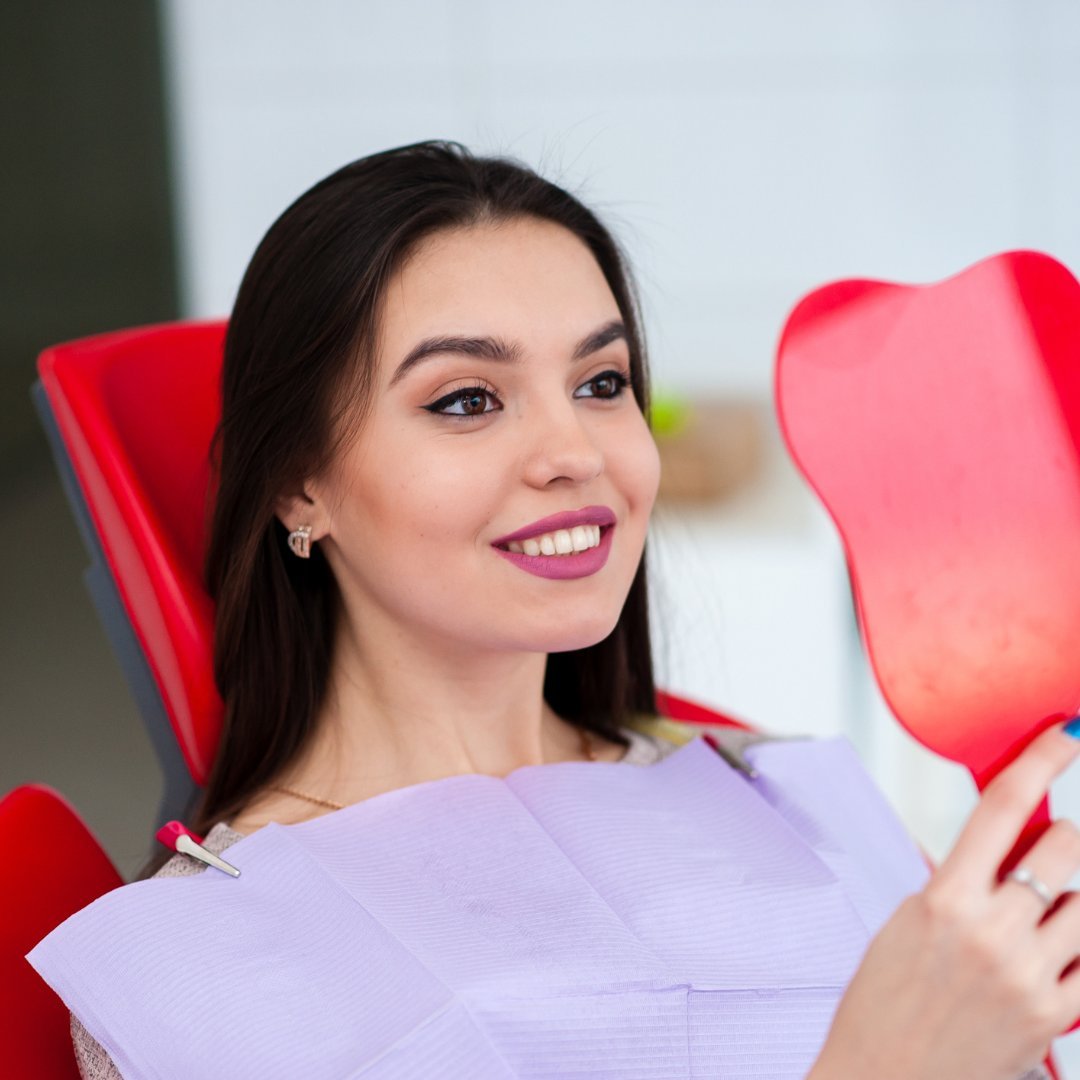
What to Expect: Your Cleaning Experience
Before Your Appointment
How to prepare:
- Brush and floss beforehand (not required, but courteous)
- List any new medications or medical conditions
- Note areas of concern (sensitivity, bleeding, pain)
- Bring insurance information
- Arrive 10 minutes early for new patients
Eat beforehand if you prefer—numbness isn’t typically needed for routine cleaning.
During Your Appointment
What you’ll experience:
Sounds:
- Ultrasonic scaler buzzing (high frequency)
- Water spray rinsing
- Suction removing water
- Polisher whirring
Sensations:
- Vibration from ultrasonic scaler
- Pressure from hand instruments
- Coolness from water spray
- Smoothness after polishing
Tastes:
- Prophy paste (mint, cherry, etc.)
- Fluoride (various flavors)
- Blood taste if gums bleed
Most patients find cleanings relaxing once accustomed to the sensations.
After Your Appointment
Immediate after-effects:
- Teeth feel incredibly smooth and clean
- Gums may be slightly tender (24-48 hours)
- Minor bleeding when brushing (normal for 1-2 days)
- Increased sensitivity to temperature (temporary)
Post-cleaning care:
- Resume normal brushing and flossing
- Wait 30 minutes after fluoride before eating
- Avoid staining foods for 24 hours (if polishing removed stains)
- Schedule next appointment before leaving
Tenderness or sensitivity usually resolves within 2-3 days. If it persists, call our office.
Does Dental Cleaning Hurt?
Routine cleanings are comfortable for most patients. You may feel:
- Slight pressure during tartar removal
- Brief temperature sensitivity
- Gum tenderness if significant buildup exists
What Affects Comfort:
More comfortable:
- Regular dental visitors (less tartar)
- Good oral hygiene (healthy gums)
- No gum disease (shallow pockets)
- Gentle hygienist technique
Less comfortable:
- Years since last cleaning (heavy tartar)
- Active gum disease (inflamed, bleeding gums)
- Exposed tooth roots (sensitivity)
- Anxiety or fear
We Make Cleanings Comfortable:
Gentle technique:
- Experienced hygienists
- Appropriate pressure
- Careful work around sensitive areas
Comfort options:
- Topical numbing gel
- Local anesthesia (if needed)
- Breaks during appointment
- Communication throughout
Nitrous oxide (laughing gas) available for extremely anxious patients.
Regular cleanings prevent discomfort—patients who maintain 6-month schedules report painless cleanings.
Dental Cleaning Cost in Austin TX
Standard Cleaning Pricing:
Routine prophylaxis:
- Adult cleaning: $100-$200
- Child cleaning: $80-$150
- Periodontal maintenance: $150-$250
Deep cleaning (scaling and root planing):
- Per quadrant: $200-$300
- Full mouth (4 quadrants): $800-$1,200
Add-ons:
- Fluoride treatment: $30-$50
- Desensitizing treatment: $40-$60
Insurance Coverage:
Most dental insurance covers preventive care at 100%:
- 2 routine cleanings per year
- No deductible
- No out-of-pocket cost
Example:
- Cleaning cost: $150
- Insurance pays: $150 (100%)
- You pay: $0
Deep cleaning coverage:
- Usually covered at 50-80%
- May require deductible
- Pre-authorization sometimes needed
We verify insurance benefits before your appointment and explain any out-of-pocket costs.
No Insurance Options:
In-house membership plan:
- Annual fee: $300-$400
- Includes 2 cleanings
- Includes 2 exams
- Includes routine x-rays
- 20% discount on other treatment
Payment plans:
- CareCredit financing
- Monthly payment options
- No credit check plans
Cash discount:
- 10% off when paying day of service
Don’t skip cleanings due to cost—prevention saves thousands compared to treating advanced problems.
Dental Cleaning – FAQs
Routine cleaning takes 45-60 minutes including:
- Oral examination: 5 minutes
- Scaling: 20-30 minutes
- Polishing: 10 minutes
- Flossing: 5 minutes
- Fluoride: 5 minutes
- Education: 5 minutes
First cleaning in years may take longer (60-90 minutes) due to heavy tartar buildup. Deep cleanings take 60-90 minutes per quadrant.
Yes, eat immediately after routine cleaning. Your teeth are clean but not damaged.
After fluoride treatment:
- Wait 30 minutes before eating or drinking
- Allows fluoride to absorb into enamel
After deep cleaning with anesthesia:
- Wait until numbness wears off (2-3 hours)
- Prevents accidentally biting tongue or cheek
- Start with soft foods
Yes, professional polishing removes surface stains from coffee, tea, wine, and tobacco. Teeth appear 1-2 shades brighter.
Cleanings don't remove:
- Deep stains inside tooth structure
- Permanent tooth discoloration
- Stains from medications (tetracycline)
For whiter teeth, consider:
- Professional teeth whitening (6-10 shade improvement)
- Porcelain veneers (dramatic transformation)
Learn about teeth whitening →
Yes, professional cleaning is essential even with excellent home care. Here's why:
Brushing and flossing remove plaque (soft bacterial film) but miss:
- Areas you can't reach
- Between teeth (even with flossing)
- Below gum line
- Behind back teeth
Tartar (hardened plaque) forms within 24-48 hours in areas you miss. Only professional instruments remove tartar—brushing can't.
Professional cleanings:
- Remove 100% of plaque and tartar
- Reach areas you can't
- Polish surfaces smooth
- Apply concentrated fluoride
- Include professional examination
Think of it like car maintenance—regular oil changes prevent engine problems even though you drive carefully.
Children need cleanings every 6 months starting when first tooth appears (around age 1).
Why cleanings matter for kids:
- Cavities are the most common childhood disease
- Baby teeth guide permanent teeth into position
- Tooth decay causes pain, infection, and missed school
- Early dental visits prevent anxiety
- Establish healthy habits for life
Pediatric cleanings include:
- Gentle plaque removal
- Polishing with flavored paste
- Fluoride treatment
- Dental education (brushing, flossing)
- Cavity risk assessment
Make dental visits fun and children develop positive associations lasting a lifetime.
No, professional cleaning performed by trained hygienists is safe and doesn't damage teeth or gums.
Concerns addressed:
"Cleaning wears down enamel" False. Polishing paste is mildly abrasive but doesn't harm enamel. It removes only surface stains and plaque—not tooth structure.
"Scaling creates gaps between teeth" False. Gaps appear because tartar filled spaces. Removing tartar reveals existing gaps. Teeth haven't moved—tartar was hiding reality.
"Cleanings make gums recede" False. Gum disease causes recession. Cleanings treat disease and prevent further recession. Not cleaning allows disease to worsen.
"Teeth become loose after cleaning" False. Teeth were already loose from bone loss (gum disease). Removing tartar reveals the looseness. Cleanings prevent additional bone loss.
Professional cleaning protects teeth and gums—skipping cleanings causes real damage.
Bleeding during cleaning indicates gum inflammation (gingivitis) from bacteria and tartar buildup.
Healthy gums don't bleed from normal cleaning. Bleeding means:
- Gums are inflamed
- Bacteria irritating gum tissue
- Early stage gum disease
- Need for improved home care
The good news: Bleeding typically resolves after several consistent cleanings and improved brushing/flossing.
Persistent bleeding may indicate:
- Active gum disease requiring deep cleaning
- Vitamin C deficiency
- Blood clotting disorders
- Certain medications (blood thinners)
Tell your hygienist about:
- Bleeding disorders
- Blood-thinning medications
- Health conditions affecting bleeding
Yes, dental cleanings are safe and important during pregnancy. In fact, more frequent cleanings are recommended.
Why cleanings matter in pregnancy:
- Pregnancy hormones increase gum inflammation
- "Pregnancy gingivitis" affects 60-75% of pregnant women
- Gum disease linked to premature birth and low birth weight
- Morning sickness increases cavity risk (acid erosion)
When to schedule:
- First trimester: Safe, but some women prefer to wait
- Second trimester: Ideal time (most comfortable)
- Third trimester: Safe, though reclining may be uncomfortable
Special considerations:
- We avoid x-rays unless emergency (use lead apron if needed)
- Comfortable positioning with pillows
- Breaks for bathroom or repositioning
- Gentle technique
- Extra fluoride to strengthen enamel
Tell us you're pregnant so we can adapt care appropriately.
Standard insurance covers 2 cleanings per year (every 6 months).
Additional cleanings may be covered if:
- Diagnosed with periodontal disease (coded as periodontal maintenance)
- High-risk patient with documented need
- Medical necessity (diabetes, pregnancy, etc.)
We work with insurance to:
- Code appropriately for maximum coverage
- Submit documentation supporting additional cleanings
- Appeal denials when medically necessary
Even if insurance doesn't cover: Additional cleanings cost $100-$250 and prevent expensive treatment like:
- Root canals: $800-$1,200
- Crowns: $1,200-$1,800
- Dental implants: $3,000-$4,500
Prevention always costs less than treatment.
5 essential daily habits:
- Brush twice daily (2 minutes each time):
- Use soft-bristled brush
- Fluoride toothpaste
- Angle bristles toward gum line
- Brush all surfaces
- Don't forget tongue
- Floss once daily:
- Use 18 inches of floss
- Curve around each tooth
- Go below gum line
- Use fresh section for each space
- Rinse with antimicrobial mouthwash:
- After brushing and flossing
- Kills bacteria brushing missed
- Reduces plaque buildup
- Limit sugary and acidic foods:
- Soda, candy, sports drinks feed bacteria
- Snack less frequently
- Rinse with water after eating
- Stay hydrated:
- Saliva neutralizes acids
- Washes away food particles
- Dry mouth increases cavity risk
Professional cleanings twice a year + excellent home care = healthy teeth for life.
Schedule Your Dental Cleaning Today
Don't wait until problems develop. Professional dental cleaning every 6 months prevents cavities, gum disease, and expensive dental work.
Your teeth deserve professional care. Book your cleaning appointment now.