
Prevent Cavities | Save Money | Keep Natural Teeth
Preventive Dentistry Austin TX – Stop Problems Before They Start
Preventive dental care stops problems before they develop. Regular cleanings, exams, fluoride treatments, and sealants keep teeth healthy for life while avoiding expensive restorative treatment.
Prevention costs less than treatment. A $40 sealant prevents a $300 filling. A $200 cleaning prevents a $3,000 root canal and crown. Call +1 (737) 332-4098 for preventive dentistry in Austin TX today.
Why Broken Teeth Require Immediate Treatment
Preventive dentistry encompasses all dental services that prevent disease rather than treat existing problems.
Core Preventive Services:
Professional care:
- Dental cleanings (every 6 months)
- Comprehensive exams
- Digital x-rays
- Oral cancer screening
- Gum disease evaluation
Protective treatments:
- Dental sealants
- Fluoride treatments
- Custom mouthguards
- Night guards for grinding
Education:
- Proper brushing technique
- Flossing instruction
- Diet counseling
- Product recommendations
The goal: Keep your natural teeth healthy for life while avoiding pain, tooth loss, and expensive treatment.
Preventive Dental Services
Thin protective coating applied to chewing surfaces of back teeth (molars).
How sealants work:
- Fill in deep grooves and pits
- Create smooth surface
- Prevent bacteria and food from getting trapped
- Block cavity formation
Application process:
- Tooth cleaned thoroughly
- Tooth dried completely
- Etching gel applied (roughens surface)
- Sealant painted on
- UV light hardens sealant
- Check bite and smooth
Duration: 5-10 minutes per tooth
Who needs sealants:
Children:
- First permanent molars (age 6)
- Second permanent molars (age 12)
- Prevents 80% of cavities in sealed teeth
Teenagers:
- High cavity risk
- Deep grooves in molars
- Poor oral hygiene
Adults:
- Deep pits and grooves
- History of cavities
- Difficult to clean areas
Sealant longevity:
- Last 5-10 years
- Checked at each dental visit
- Can be reapplied if worn
Cost: $40-$60 per tooth
Insurance: Most plans cover 100% for children under 18
Effectiveness: Studies show 80% cavity reduction in sealed molars over 2 years.
Best preventive investment for children—protects teeth during cavity-prone years.
Mineral that strengthens tooth enamel and reverses early decay.
How fluoride works:
- Penetrates tooth enamel
- Remineralizes weak spots
- Makes enamel more acid-resistant
- Inhibits bacterial acid production
Professional fluoride is stronger than toothpaste (5,000-22,600 ppm vs. 1,000-1,500 ppm).
Types of professional fluoride:
Fluoride varnish:
- Painted on teeth
- Sets on contact with saliva
- Pleasant taste
- No eating restriction
- Most common type
Fluoride gel:
- Applied in tray
- 1-4 minutes application time
- Don’t eat/drink 30 minutes after
Fluoride foam:
- Similar to gel
- Lighter texture
- 1-4 minutes application
Application process:
- Teeth cleaned and dried
- Fluoride applied to all surfaces
- Sits for prescribed time
- Excess removed (varnish stays on)
- Instructions for aftercare
Duration: 1-4 minutes
Who needs professional fluoride:
Children:
- All children benefit
- High cavity risk
- Orthodontic treatment
- Poor oral hygiene
Adults with:
- Dry mouth (medications, medical conditions)
- Gum recession (exposed roots)
- Frequent cavities (3+ in 2 years)
- Sensitivity to hot/cold
- Orthodontic appliances
Seniors with:
- Root surface exposure
- Multiple medications causing dry mouth
- Decreased saliva production
Fluoride frequency:
- Low risk: Once yearly at dental visit
- Moderate risk: Every 6 months
- High risk: Every 3-4 months
Cost: $30-$50 per treatment
Insurance: Covered 100% for children; varies for adults
Benefits beyond cavity prevention:
- Reduces tooth sensitivity
- Strengthens enamel after whitening
- Protects exposed roots
- Reverses early white spot lesions
Safe and effective—fluoride has prevented millions of cavities over 75+ years of use.
Protective appliance prevents dental injuries during sports and activities.
Why custom mouthguards:
- Protect teeth from fractures and chips
- Prevent knocked-out teeth
- Cushion jaw from impacts
- Reduce concussion severity
- Protect orthodontic appliances
Sports requiring mouthguards:
High-risk sports:
- Football
- Hockey (ice and field)
- Boxing and martial arts
- Wrestling
- Lacrosse
- Rugby
Moderate-risk sports:
- Basketball
- Soccer
- Baseball/softball
- Skateboarding
- Bicycling
- Volleyball
Any activity with:
- Contact with other players
- Hard surfaces (court, field)
- Equipment (balls, sticks, bats)
- Potential falls
Types of mouthguards:
Stock mouthguards (drugstore):
- Pre-formed, ready to wear
- Poor fit (loose, uncomfortable)
- Bulky and restrict breathing
- Minimal protection
- Cost: $5-$15
- Not recommended
Boil-and-bite mouthguards:
- Softened in hot water
- Molded to teeth by biting
- Better fit than stock
- Still bulky
- Cost: $15-$30
- Better than nothing, not ideal
Custom mouthguards (from dentist):
- Made from impressions of your teeth
- Perfect fit (comfortable, stays in place)
- Thin yet protective
- Easy breathing and speaking
- Protects all teeth evenly
- Cost: $150-$300
- Best protection and comfort
Custom mouthguard process:
- Impressions taken of teeth
- Model created
- Mouthguard fabricated from special material
- Delivered and fitted
- Adjustments made for perfect fit
Duration: 2 appointments (impressions, delivery)
Mouthguard care:
- Rinse before and after use
- Brush with toothbrush and toothpaste
- Store in ventilated case
- Keep away from heat
- Bring to dental appointments for inspection
- Replace annually or when damaged
Cost: $150-$300
Insurance: May cover for children; rarely for adults
Statistics:
- Athletes 60 times more likely to suffer dental harm when NOT wearing mouthguard
- Mouthguards prevent 200,000 oral injuries annually
- Cost of treating dental injury: $5,000-$20,000
- Cost of custom mouthguard: $150-$300
Small investment prevents major dental bills.
Custom appliance protects teeth from grinding and clenching damage.
What is bruxism (teeth grinding):
- Involuntary grinding or clenching
- Usually during sleep
- Can occur during day (stress-related)
- Affects 8-31% of population
Signs of teeth grinding:
- Worn, flat tooth surfaces
- Chipped or cracked teeth
- Tooth sensitivity
- Jaw pain or soreness
- Headaches (especially morning)
- Ear pain
- Tight jaw muscles
- Popping or clicking jaw
- Disrupted sleep
- Partner hears grinding sounds
Damage from grinding:
- Tooth enamel worn away
- Teeth fracture or crack
- Fillings and crowns break
- Gum recession
- Jaw joint (TMJ) damage
- Chronic headaches
- Facial muscle pain
Night guard benefits:
- Prevents tooth wear
- Reduces jaw stress
- Alleviates pain
- Protects dental work
- Improves sleep quality
- Reduces headaches
Custom night guard process:
- Impressions of teeth taken
- Model created
- Night guard fabricated (hard acrylic or soft material)
- Delivered and adjusted for fit
- Instructions for wear and care
Types of night guards:
Soft night guards:
- Flexible rubber-like material
- Comfortable initially
- May encourage clenching
- Less durable (6-12 months)
- Good for mild grinding
Hard acrylic night guards:
- Rigid material
- Very durable (3-5 years)
- Best for heavy grinders
- May take time to adjust
- Most protective
Dual-laminate night guards:
- Soft inside, hard outside
- Comfortable and protective
- Good for moderate grinding
- Lasts 1-3 years
Night guard care:
- Rinse before and after use
- Brush with toothbrush (no toothpaste—abrasive)
- Store in ventilated case
- Keep away from heat
- Bring to dental visits for inspection
Duration: 2 appointments (impressions, delivery)
Cost: $300-$600
Insurance: May cover 50% (considered preventive or restorative depending on plan)
Without night guard, grinding causes:
- $300-$500 per cracked tooth repair
- $1,200-$1,800 crowns for worn teeth
- $2,000-$3,000 root canals if crack reaches nerve
- $5,000+ TMJ treatment if jaw damaged
$300-$600 night guard prevents thousands in future dental bills.
Preventive Oral Hygiene at Home
Proper Brushing Technique:
Frequency: Twice daily (morning and before bed)
Duration: 2 minutes each session
Technique:
- Use soft-bristled brush (medium and hard damage gums)
- Apply pea-sized fluoride toothpaste
- Angle bristles 45 degrees toward gum line
- Use gentle circular motions (not back-and-forth scrubbing)
- Brush all surfaces: outer, inner, chewing
- Brush tongue to remove bacteria
Common mistakes:
- Brushing too hard (wears enamel and gums)
- Not brushing long enough
- Using old toothbrush (replace every 3 months)
- Skipping tongue
- Rinsing immediately (dilutes fluoride)
Electric vs. manual:
- Electric removes more plaque (studies show)
- Better for people with limited dexterity
- Manual works fine with proper technique
- Choose what you’ll use consistently
Proper Flossing Technique:
Frequency: Once daily (before bed preferred)
Why floss:
- Removes plaque between teeth (40% of tooth surface)
- Brushing doesn’t reach these areas
- Prevents cavities between teeth
- Reduces gum disease
Technique:
- Use 18 inches of floss
- Wrap around middle fingers (leave 2 inches to work with)
- Guide between teeth using index fingers
- Curve around each tooth in C-shape
- Go below gum line gently
- Use fresh section for each tooth
- Don’t snap against gums (causes damage)
Floss alternatives:
- Floss picks (easier for some people)
- Water flossers (good for braces, implants)
- Interdental brushes (for large spaces)
All work—choose what you’ll use daily.
Antimicrobial Mouthwash:
Benefits:
- Kills bacteria brushing and flossing missed
- Reduces plaque formation
- Freshens breath
- Delivers fluoride (if fluoride rinse)
Types:
- Cosmetic rinses (breath freshening only)
- Therapeutic rinses (contain active ingredients)
- Fluoride rinses (strengthen enamel)
- Antiseptic rinses (kill bacteria)
When to use:
- After brushing and flossing
- Swish for 30-60 seconds
- Don’t rinse with water after (dilutes benefit)
Don’t use mouthwash as substitute for brushing and flossing.
Preventive Diet and Nutrition
Foods That Protect Teeth:
High calcium:
- Milk, cheese, yogurt
- Strengthens enamel
- Neutralizes acids
Crunchy vegetables:
- Carrots, celery, apples
- Naturally scrub teeth
- Stimulate saliva
Phosphorus-rich:
- Meat, fish, eggs
- Rebuilds enamel
Water:
- Rinses food particles
- Stimulates saliva
- Dilutes acids
- Fluoridated water strengthens teeth
Sugar-free gum:
- Stimulates saliva (neutralizes acid)
- Removes food particles
- Choose xylitol varieties (antibacterial)
Foods That Harm Teeth:
Sugary foods:
- Candy, cookies, cake
- Feed bacteria producing acid
- Sticky candies worst (stay on teeth longer)
Acidic beverages:
- Soda (regular and diet)
- Sports drinks
- Energy drinks
- Fruit juice
- Erode enamel directly
Starchy foods:
- Chips, crackers, bread
- Break down into sugars
- Stick to teeth
Tips to minimize damage:
- Consume sweets with meals (more saliva)
- Rinse with water after
- Don't sip sugary drinks constantly
- Use straw for acidic beverages
- Wait 30 minutes after acidic food to brush (acid softens enamel)
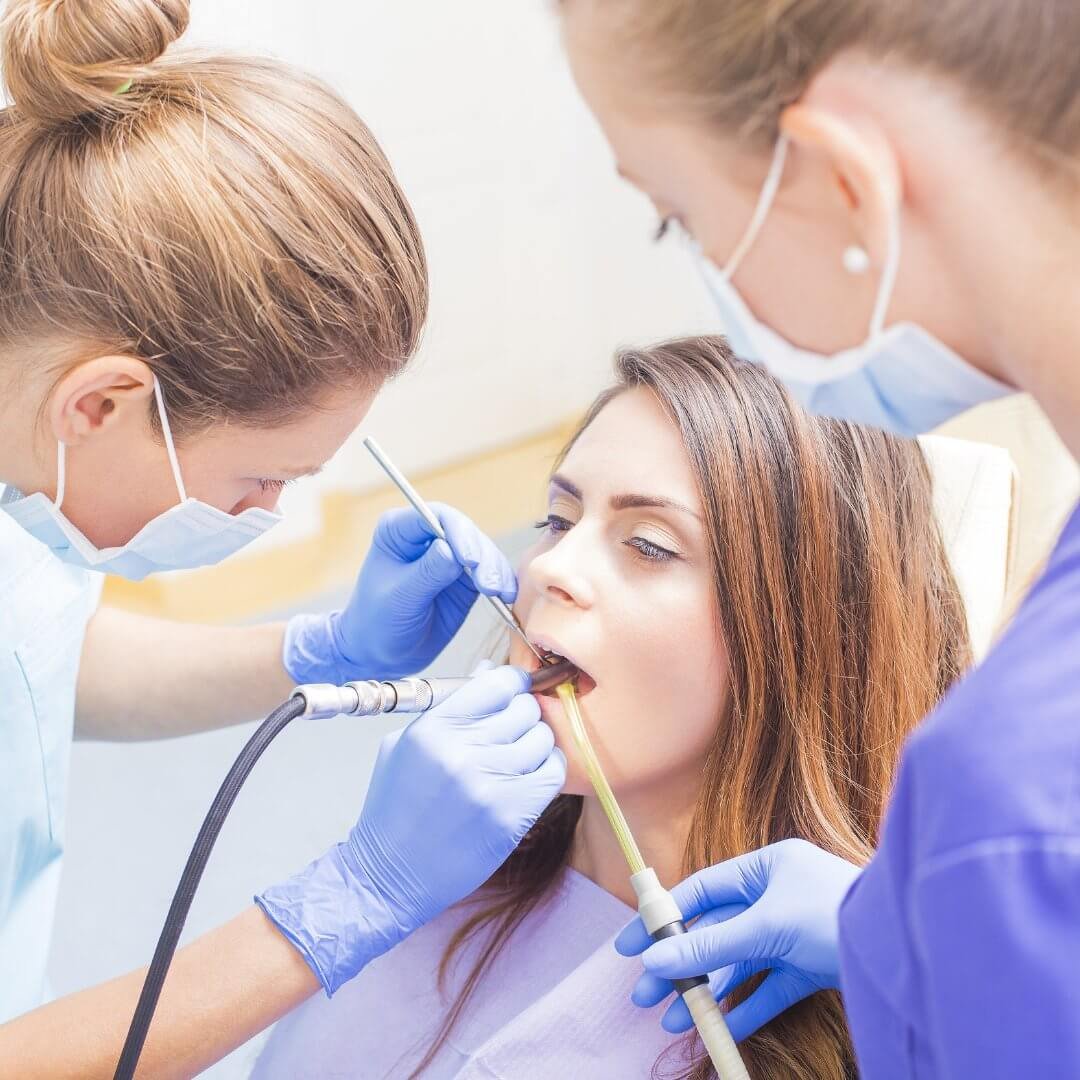
Preventive Dentistry Cost
Prevention Pricing:
Dental cleaning:
- Routine: $100-$200
- Deep cleaning (if needed): $800-$1,200
Dental exam:
- Usually included with cleaning
X-rays:
- Bitewings: $50-$100
- Full series: $150-$250
Fluoride treatment:
- $30-$50
Dental sealants:
- $40-$60 per tooth
Custom mouthguard:
- $150-$300
Night guard:
- $300-$600
Insurance Coverage:
Most dental insurance covers preventive care at 100%:
- 2 cleanings per year
- 2 exams per year
- Bitewing x-rays once yearly
- Full series every 3-5 years
- Fluoride for children
- Sealants for children under 18
You pay $0 out-of-pocket for covered preventive care.
Use your benefits—they don’t roll over to next year.
Benefits of Preventive Dentistry
Prevents Pain and Emergencies:
Preventive care catches problems early:
- Small cavities (no pain) vs. large cavities (severe pain)
- Early gum disease (reversible) vs. advanced (tooth loss)
- Small cracks (bonding) vs. split teeth (extraction)
No emergency dental visits:
- No severe toothaches
- No weekend dental emergencies
- No time off work for urgent care
Better quality of life.
Maintains Natural Teeth:
With preventive care:
- Keep natural teeth for life
- No dentures or implants needed
- Better chewing function
- Better speech
- Better appearance
- Better confidence
Natural teeth are irreplaceable—prevention preserves them.
Establishes Good Habits:
Children who receive preventive care:
- Develop healthy oral hygiene habits
- Experience less dental anxiety
- Maintain dental health into adulthood
- Have fewer cavities and better outcomes
Family preventive care sets everyone up for lifelong oral health.
Saves Money Long-Term:
Prevention costs:
- Dental cleaning (every 6 months): $100-$200
- Dental exam: Included with cleaning
- Bitewing x-rays (yearly): $50-$100
- Fluoride treatment: $30-$50
- Annual preventive care: $250-$550
Treatment costs (if prevention neglected):
- Filling: $150-$300
- Crown: $1,200-$1,800
- Root canal: $800-$1,200
- Dental implant: $3,000-$4,500
- Single neglected cavity can cost $2,000-$3,000
Over 10 years:
- Prevention: $2,500-$5,500
- Treatment (average 3 cavities, 1 crown): $10,000+
Prevention saves thousands.
Supports Overall Health:
Oral health affects:
- Heart health (gum disease linked to heart disease)
- Diabetes management (gum infection worsens blood sugar)
- Pregnancy outcomes (gum disease linked to premature birth)
- Respiratory health (oral bacteria can infect lungs)
Preventive dental care supports total health.
Preventive Dentistry for All Ages
Children (Birth – Age 18):
First dental visit:
- Age 1 or when first tooth appears
- Establish dental home
- Early cavity detection
- Parent education
Regular care:
- Cleanings every 6 months
- Fluoride treatments
- Dental sealants (age 6 and 12)
- Orthodontic evaluation (age 7)
- Diet counseling
- Oral hygiene instruction
Benefits:
- Prevent childhood cavities
- Avoid painful dental problems
- Establish lifelong habits
- Reduce dental anxiety
Adults (Age 18-65):
Regular care:
- Cleanings every 6 months
- Comprehensive exams
- Bitewing x-rays annually
- Oral cancer screening
- Gum disease evaluation
Protective treatments:
- Fluoride if high cavity risk
- Night guard if grinding
- Sealants on adult molars (if deep grooves)
Benefits:
- Maintain natural teeth
- Prevent gum disease
- Detect oral cancer early
- Preserve dental work
Seniors (65+):
Special considerations:
- Dry mouth from medications
- Gum recession
- Root surface cavities
- Arthritis affecting brushing ability
Preventive care:
- Cleanings every 4-6 months
- Fluoride treatments
- Saliva substitutes
- Electric toothbrush recommendations
- Medication reviews
Benefits:
- Keep natural teeth
- Maintain nutrition (chewing function)
- Prevent infections
- Support overall health
Preventive Dentistry – FAQs
Every 6 months for routine cleanings and exams. High-risk patients (gum disease, high cavity risk, diabetes, pregnancy, smokers) need more frequent visits every 3-4 months. Children need 6-month visits starting at age 1.
Yes, sealants are completely safe. They've been used for over 50 years with extensive safety research. Sealants contain no BPA and use the same materials as white fillings. Benefits far outweigh any theoretical risks—sealants prevent 80% of cavities in sealed teeth.
Yes, adults benefit from professional fluoride if they have dry mouth, gum recession, frequent cavities, sensitivity, or orthodontic appliances. Professional fluoride is more concentrated than toothpaste and provides superior protection. Cost is $30-$50—far less than treating cavities.
Yes, most dental insurance covers preventive care at 100% including 2 cleanings, 2 exams, and routine x-rays per year. Fluoride is covered for children; varies for adults. Sealants are covered for children under 18. Use your benefits—they don't carry over to next year.
Preventive dentistry stops problems before they occur (cleanings, sealants, fluoride). Restorative dentistry repairs existing damage (fillings, crowns, root canals). Prevention is less expensive, painless, and preserves natural tooth structure. Restorative treatment is necessary after problems develop.
Good hygiene prevents most cavities but genetics, diet, medications, and medical conditions also play roles. Some people are more cavity-prone despite excellent hygiene. Professional preventive care (cleanings, fluoride, sealants) combined with home care provides maximum protection.
Sealants last 5-10 years with proper care. We check sealants at each dental visit and can repair or replace worn areas. Some sealants last even longer. Avoid chewing ice or hard candies that might damage sealants.
Yes, grinding causes significant damage including worn enamel, cracked teeth, and jaw problems. A custom night guard costs $300-$600 but prevents thousands in future dental repairs. If you have signs of grinding (worn teeth, jaw pain, headaches), a night guard is essential preventive care.
First permanent molars at age 6 and second permanent molars at age 12. Sealants can also be applied to baby teeth with deep grooves. The earlier sealants are placed, the more cavities they prevent. Best applied soon after teeth erupt before decay starts.
Yes, fluoride is safe and effective at levels used in dental products and water fluoridation. Fluoride has prevented millions of cavities over 75+ years. Professional fluoride treatments use appropriate concentrations. Fluoride toxicity requires consuming excessive amounts—normal use is completely safe.
Start Your Preventive Care Today
Prevention is the foundation of oral health. Regular cleanings, exams, and protective treatments keep teeth healthy while avoiding expensive dental problems.
Invest in prevention—save thousands in treatment.